
 Hassan Ali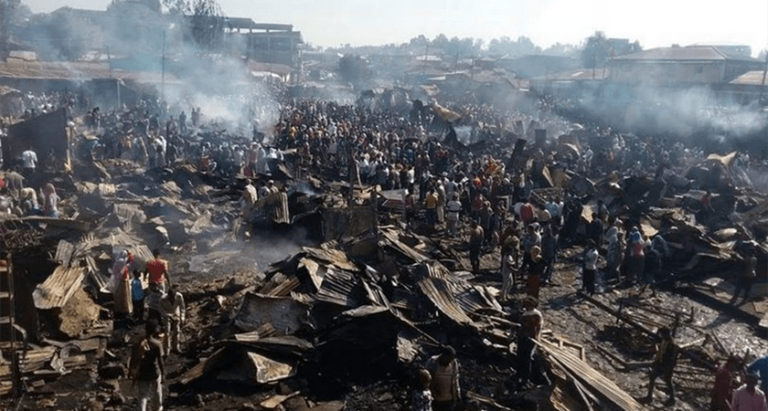
Ethiopia today stands at a defining moment in its history. Amid political instability, armed conflict, and deepening mistrust, one painful truth demands recognition: the suffering of the Amhara people is not an isolated tragedy—it is a national crisis. What is happening to the Amhara is a reflection of what is happening to Ethiopia itself.
To ignore this reality is to misunderstand the depth of the country’s challenges and to endanger its future.
A Crisis Beyond One Community
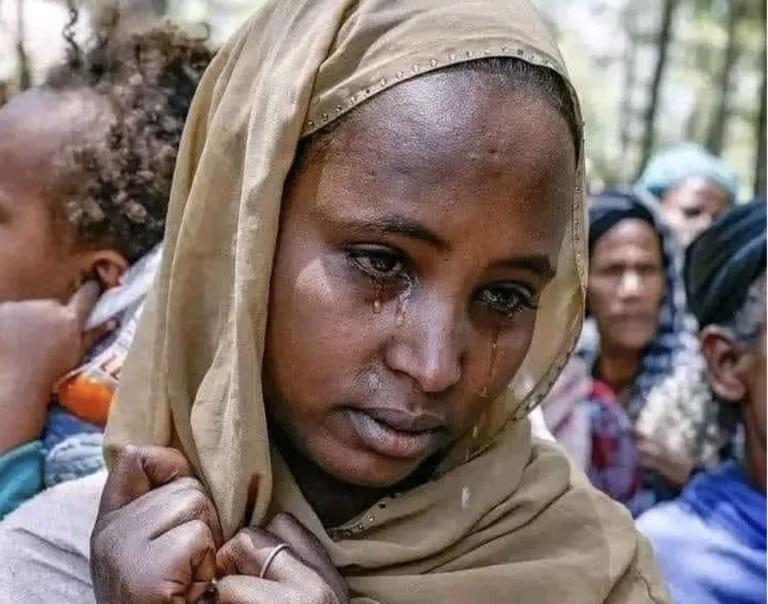
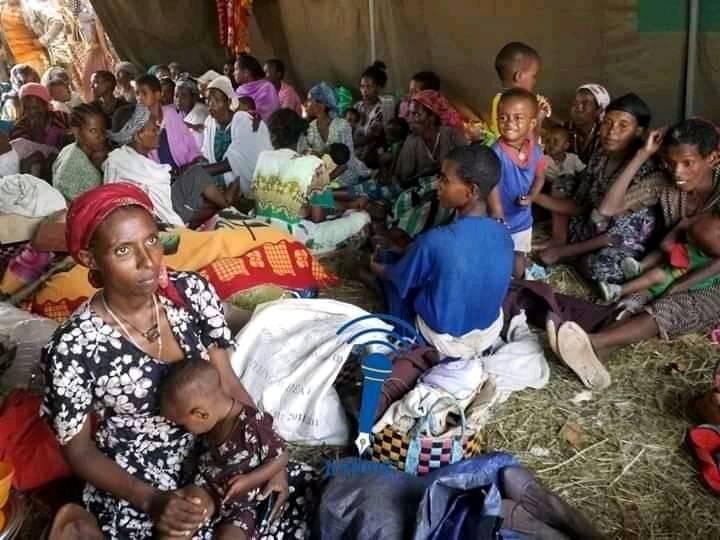
Across multiple regions, Amhara civilians have endured mass displacement, targeted violence, arbitrary arrests, and the erosion of basic rights. Entire communities have been uprooted. Families have been separated. Livelihoods have been destroyed. Yet these realities are too often minimized, politicized, or dismissed as regional grievances rather than recognized as national emergencies.
When any Ethiopian community is subjected to collective punishment, insecurity, or exclusion, the fabric of the nation weakens. Ethiopia is not a collection of isolated identities—it is a shared historical, cultural, and political project. The pain of one group inevitably becomes the pain of all.
Silence Is Not Neutral
One of the most dangerous responses to the Amhara crisis has been silence—both domestically and internationally. Silence, however, is not neutrality. It is complicity.
When voices fail to speak against injustice, injustice gains legitimacy. When suffering is ignored because it is politically inconvenient, divisions deepen and grievances harden. History shows that unresolved injustices do not fade away; they return with greater force.
Acknowledging the plight of the Amhara people does not diminish the suffering of others. On the contrary, it affirms a principle essential for Ethiopia’s survival: that no Ethiopian life is expendable.
Ethnic Polarization and the Cost to Ethiopia
Ethiopia’s increasing ethnic polarization has created a dangerous zero-sum mindset, where empathy is replaced by suspicion and solidarity by silence. This environment benefits no one. It erodes trust in institutions, fuels cycles of retaliation, and makes meaningful national dialogue nearly impossible.
The targeting or marginalization of the Amhara people today sets a precedent that threatens every community tomorrow. Injustice, once normalized, does not remain contained.
Unity Rooted in Justice, Not Denial
True unity cannot be built on denial or selective acknowledgment of suffering. It must be rooted in justice, accountability, and equal protection under the law. Calls for unity that ignore pain are hollow. Calls for peace that exclude truth are fragile.
National unity requires the courage to confront uncomfortable realities, including abuses committed by state and non-state actors alike. It requires rejecting narratives that frame entire communities as threats rather than as citizens deserving dignity and security.
A Call to Ethiopians Everywhere
This is a call not only to policymakers but to all Ethiopians—intellectuals, activists, elders, youth, and the diaspora. The defense of Amhara lives and rights is not an ethnic cause; it is a patriotic responsibility.
Standing against injustice should not depend on identity. It should depend on principle.
Ethiopia’s strength has always come from its ability to endure diversity while upholding shared values. That strength is now being tested.
Choosing a Shared Future
The question facing Ethiopia is not whether it can silence dissent or suppress grievances, but whether it can heal. Healing begins with recognition. Recognition leads to accountability. Accountability opens the door to reconciliation.
The plight of the Amhara people is a warning—one that Ethiopia cannot afford to ignore. Responding with unity, empathy, and justice is not only the moral choice; it is the only path toward a stable and inclusive future.
Ethiopia will not be saved by denial or division.
It will be saved when all its people are seen, protected, and valued—equally.


Trying my luck at Banca30T88! Decent interface and easy to navigate. Fingers crossed for a big win! Check it out: banca30t88
Que Es Fun Bet? Well, it’s definetly fun! Lots of variety and some cool promotions. Worth a look if you’re searching for a fun experience, try queesfunbet.
01Win55 is alright. Not the flashiest site, but it gets the job done. They’ve got a decent selection of games. Take a look at 01win55 and see if it’s for you!