
Mass arrests and beatings: how Ethiopia went from celebrating journalists to jailing them
 Hassan Ali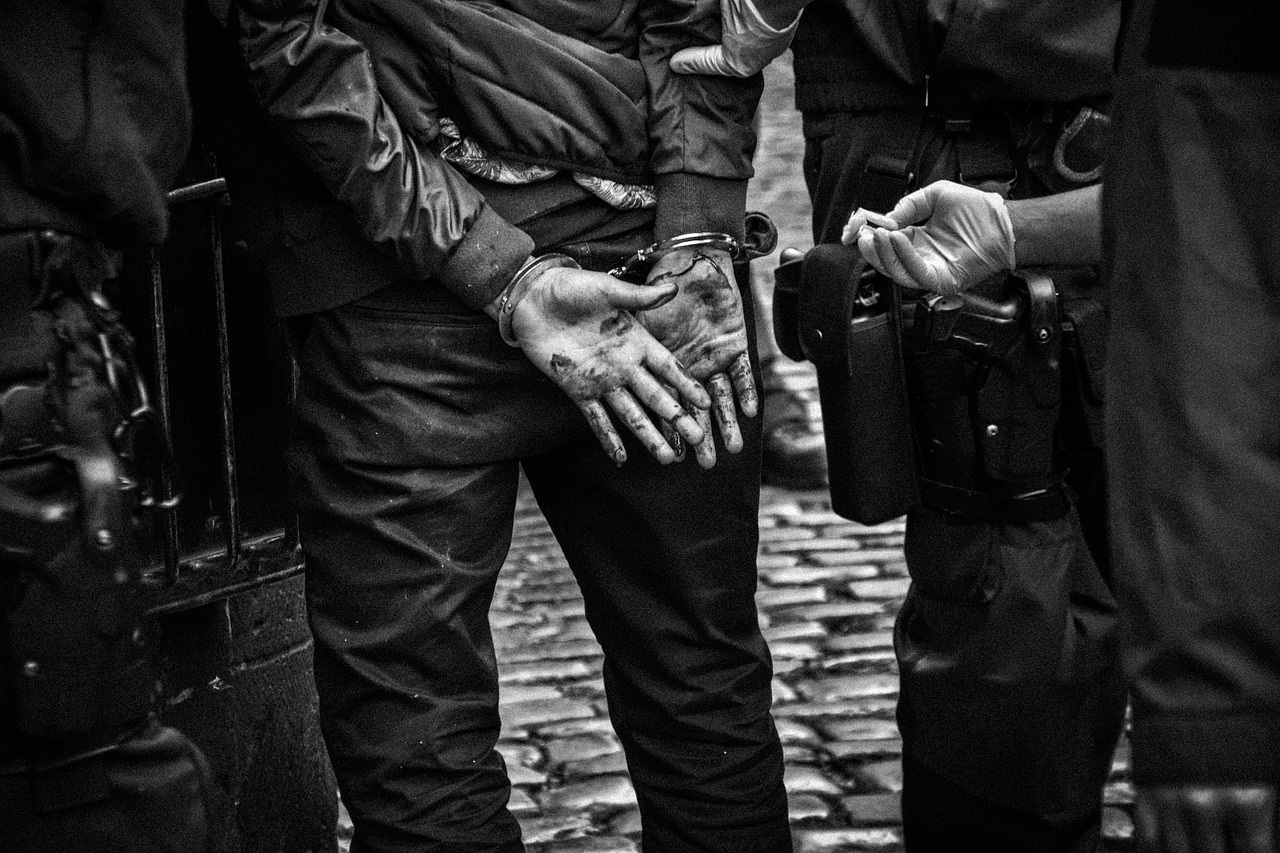
For years, Ethiopia stood as a symbol of hope for press freedom in the Horn of Africa. Journalists who once worked under fear and censorship began to emerge into a new era marked by reform, openness, and optimism. Media houses expanded, critical voices found platforms, and the government publicly embraced freedom of expression as a cornerstone of democratic progress.
Yet today, that promise lies in ruins. Ethiopia has shifted from celebrating journalists to imprisoning them. Mass arrests, beatings, intimidation, and the criminalization of journalism have replaced reformist rhetoric, plunging the country into one of its darkest periods for press freedom.
A Brief Era of Hope
When political reforms were announced in 2018, Ethiopia experienced an unprecedented media revival. Previously banned media outlets were allowed to operate, exiled journalists returned home, and restrictive laws were eased. International observers praised the country for taking bold steps toward democracy, and journalists were openly acknowledged as partners in national rebuilding.
This period fostered optimism. Investigative journalism began to flourish, public debates expanded, and citizens gained greater access to information. Ethiopia was cited as an example of how political will could transform a repressive media landscape.
However, this progress proved fragile.
From Reform to Repression
As political tensions escalated—particularly amid armed conflicts, ethnic violence, and power struggles—the government’s tolerance for independent reporting rapidly declined. Journalists who reported on sensitive issues such as military operations, civilian casualties, corruption, and human rights abuses increasingly became targets.
Mass arrests followed. Journalists were detained without warrants, held for extended periods without charges, and denied access to legal counsel. Some were beaten during arrest or interrogation, while others reported psychological abuse and threats against their families.
The message was clear: critical reporting would not be tolerated.
Weaponizing the Law
Authorities frequently justify these arrests using vague accusations such as “terrorism,” “incitement,” or “threats to national security.” Laws originally designed to protect the state from violence have been repurposed to silence journalists doing their jobs.
This legal ambiguity allows security forces broad discretion, creating an environment where journalism itself is treated as a crime. Even factual reporting can be framed as propaganda or disinformation if it challenges official narratives.
As a result, many journalists now operate under constant fear, practicing self-censorship to avoid imprisonment or physical harm.
Beatings, Intimidation, and Fear
Beyond arrests, physical violence against journalists has become alarmingly common. Reports of beatings during detention, equipment confiscation, and forced confessions have surfaced repeatedly. Some journalists have been abducted briefly, assaulted, and released without explanation—a tactic designed to instill fear rather than pursue legal accountability.
Female journalists face additional threats, including harassment and gender-based intimidation, further shrinking an already endangered media space.
Newsrooms have been raided, licenses suspended, and online platforms blocked. Independent media outlets struggle to survive amid financial pressure and government interference.
The Human Cost
Behind every arrest is a silenced voice and a family left in uncertainty. Journalists languish in overcrowded detention centers, their careers interrupted, their mental health deteriorating. Many have fled the country, joining a growing wave of media professionals forced into exile.
The loss is not only personal—it is national. When journalists are jailed, society loses its watchdogs. Corruption thrives in darkness, human rights abuses go unreported, and public trust erodes.
International Silence and Selective Pressure
While international organizations and press freedom groups have raised alarms, global responses remain inconsistent. Geopolitical interests, security partnerships, and diplomatic caution often overshadow human rights concerns.
This selective pressure emboldens repression. Without sustained international accountability, Ethiopian authorities face little consequence for continuing crackdowns on the media.
Why Press Freedom Matters Now More Than Ever
At a time of conflict, displacement, and humanitarian crisis, independent journalism is not a threat—it is a necessity. Accurate reporting saves lives, counters propaganda, and gives voice to the voiceless.
Suppressing journalists does not create stability; it deepens mistrust and fuels unrest. History shows that silencing the press only delays accountability, never eliminates it.
A Call for Accountability and Courage
Ethiopia stands at a crossroads. The country can either return to the reformist path that once inspired hope or continue down a road of repression that isolates it from democratic norms.
Journalists are not enemies of the state. They are witnesses to truth.
Protecting them is not an act of weakness—it is a measure of strength.
Until Ethiopia restores genuine press freedom, the world must continue to speak out, demand accountability, and stand in solidarity with journalists who risk everything to inform the public.
Because when journalists are jailed, truth itself is imprisoned.


d63oo2