
 Hassan Ali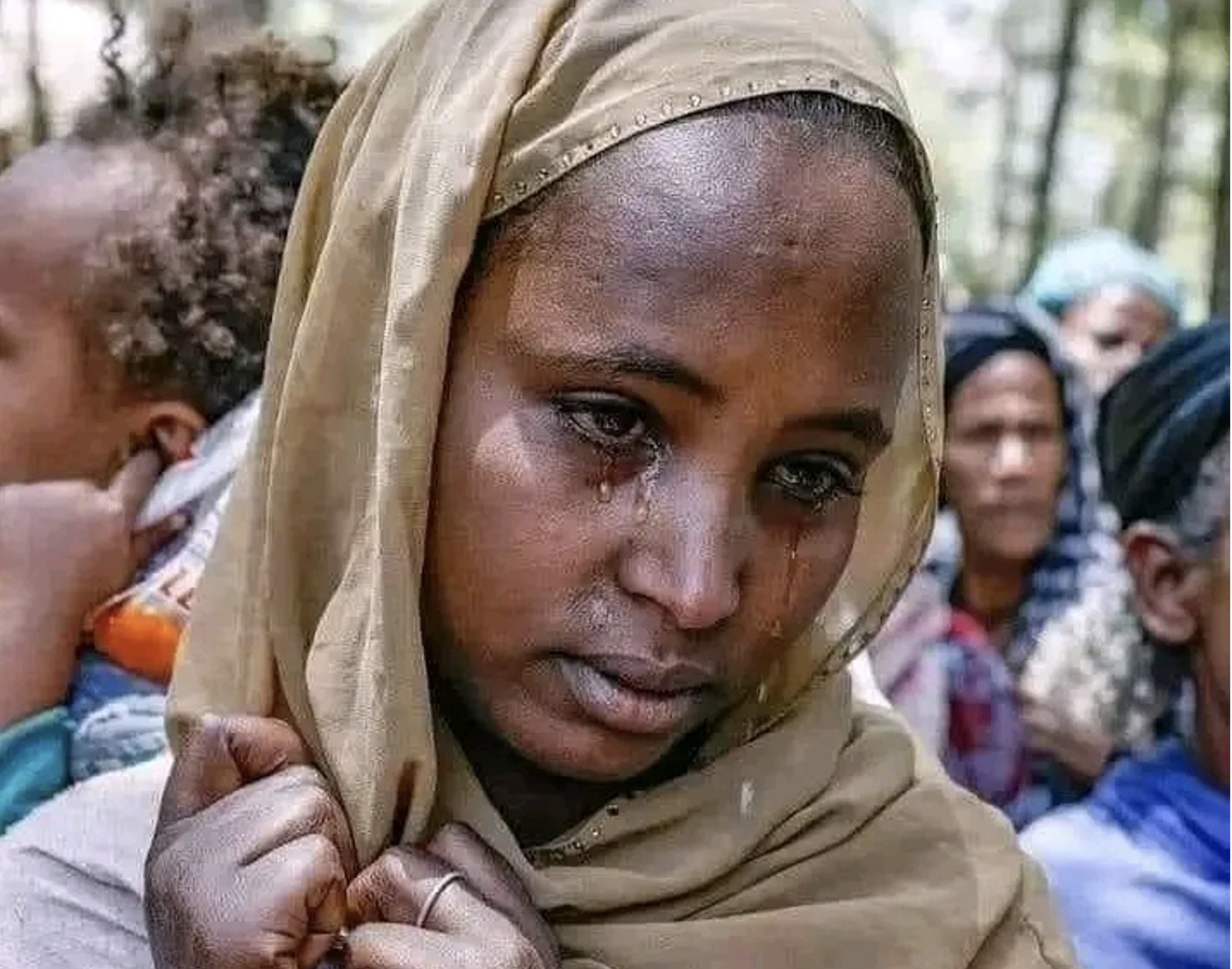
Talking About Countries That Fund or Support Amhara Causes: Facts, Perceptions, and Caution
Discussions about “countries that fund the Amhara” are common in political debates surrounding Ethiopia’s ongoing crisis. However, this topic is often misunderstood, exaggerated, or deliberately misframed. It is important to approach it with clarity, evidence, and caution—distinguishing between humanitarian support, diaspora-driven advocacy, and state-level political or military funding, which are very different things.
No Verified Evidence of State Military Funding
To date, there is no publicly verified evidence that any foreign government directly funds Amhara armed groups or provides military support on the basis of ethnic alignment. Claims suggesting that specific countries are “funding the Amhara” in a military sense are largely political narratives, often used to delegitimize Amhara grievances or justify repression.
Such accusations mirror a familiar pattern in conflict settings: framing a community’s demands for safety, rights, or justice as being driven by “foreign agendas” rather than by internal realities.
Humanitarian Aid Is Not Ethnic Funding
Many countries—including the United States, members of the European Union, the United Kingdom, and others—provide humanitarian assistance to Ethiopia through international organizations such as the UN, NGOs, and relief agencies. This aid supports:
- Internally displaced persons
- Food-insecure populations
- Health and education services
When Amhara civilians receive such aid, it is not because they are Amhara—it is because they are civilians in need. Humanitarian assistance is needs-based, not ethnically motivated.
Conflating humanitarian aid with political or military funding is both inaccurate and dangerous.
The Role of the Amhara Diaspora
What is often mischaracterized as “foreign funding” is, in reality, diaspora-driven support. Amhara communities abroad—particularly in the United States, Canada, Europe, and Australia—raise funds to support:
- Humanitarian relief
- Legal advocacy
- Media and awareness campaigns
- Support for displaced families
These efforts are typically grassroots, transparent, and rooted in community solidarity rather than state sponsorship. Diaspora advocacy is a legal and protected activity in democratic societies.
Diplomatic Engagement vs. Ethnic Alignment
Some countries engage diplomatically with Ethiopian actors, including raising concerns about human rights violations in Amhara regions. This is often misinterpreted as “supporting Amhara” against the Ethiopian state.
In reality, diplomatic pressure—statements, sanctions, or calls for dialogue—are generally framed around:
- Protection of civilians
- Rule of law
- Access for humanitarian organizations
Supporting human rights does not equate to funding or backing an ethnic group.
Why the Narrative Persists
The idea that “foreign countries fund the Amhara” persists because it serves political purposes:
- It shifts responsibility away from domestic governance failures
- It delegitimizes legitimate civilian grievances
- It justifies securitized responses to civilian protest
- It fuels ethnic polarization
By externalizing blame, internal accountability is avoided.
The Real Question That Matters
Rather than asking which countries fund the Amhara, a more honest question is:
Why do millions of Amhara civilians feel unprotected, unheard, and forced to rely on diaspora support and international advocacy?
When citizens trust their institutions, they do not seek survival through external networks.
A Call for Honest Discourse
Responsible discussion requires rejecting unfounded allegations and focusing on verified facts. The Amhara crisis is not a proxy war driven by foreign funding—it is a domestic political and humanitarian crisis that demands internal solutions grounded in justice, inclusion, and equal protection.
Mislabeling solidarity as subversion only deepens divisions and delays peace.



Just logged in to PH22VIPLogin again! Smooth experience as always. No lag, and withdrawals are processed quickly. Highly recommend giving ph22viplogin a look!
Alright, Iwin68Win… name is catchy and the site holds up! Fun games and some decent bonuses. Worth a try if you’re looking for something new: iwin68win!
P44Bet has been pretty good to me! Their customer service is responsive and the odds are competitive. Giving p44bet credit where it’s due!