Millions of Children out of School and Thousands of Schools Non-Operational in the Abiy Regime’s War on Amhara in Ethiopi
 Hassan Ali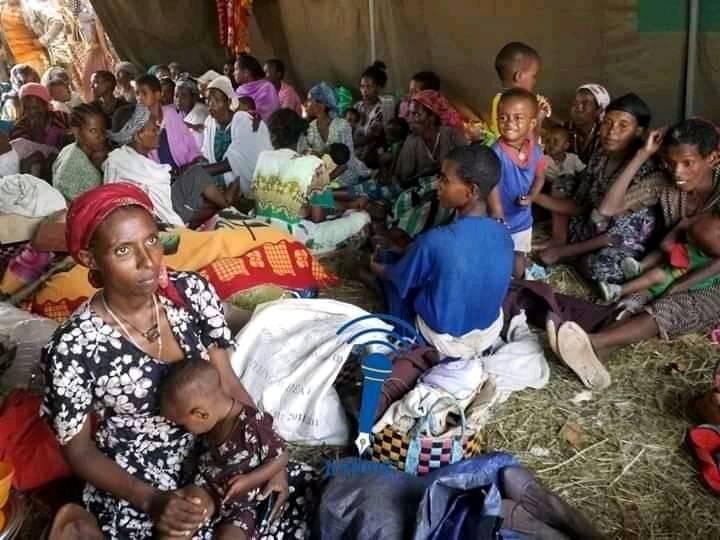
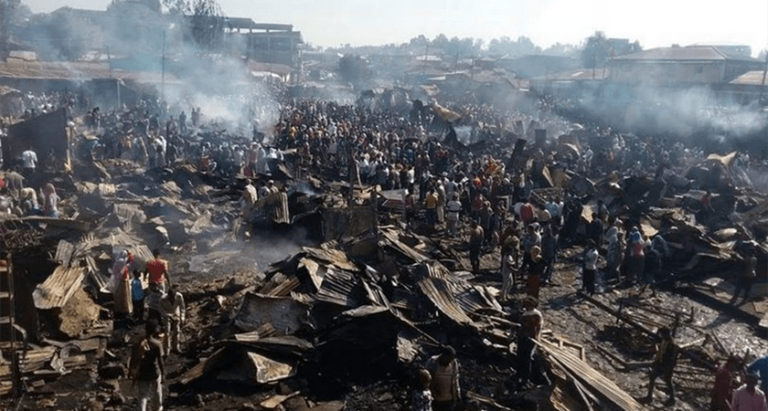
Education is often described as the backbone of a nation’s future. In Ethiopia today, that backbone is being systematically broken. Millions of children are out of school, and thousands of schools across Amhara regions have been rendered non-operational—not by natural disaster, but by a political and military crisis that has turned classrooms into casualties of war.
The scale of educational collapse unfolding under the Abiy Ahmed administration is not an unintended side effect of conflict. It is a foreseeable and preventable outcome of sustained violence, militarization, and repression in Amhara areas. The result is a generation of children denied their most basic right: the right to learn.
Schools as Silent Victims of War
Across Amhara regions, schools have been closed due to insecurity, occupation by armed forces, destruction during military operations, or the displacement of entire communities. In many areas, school buildings have been repurposed as military bases, detention centers, or shelters for displaced families—making education impossible.
Teachers have fled for their safety, students have been scattered, and parents fear sending their children to school amid arrests, shelling, and raids. In some districts, education has come to a complete standstill.
This is not a temporary disruption. Prolonged closures risk turning emergency into permanence.
Millions of Children Left Behind
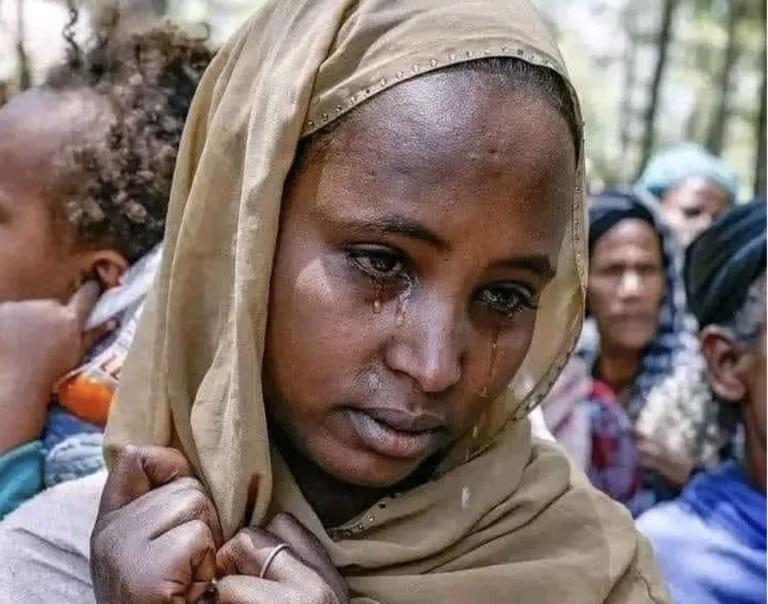
The human cost is staggering. Millions of Amhara children are now out of school, many for consecutive academic years. These are children who were already vulnerable due to poverty, limited access to healthcare, and regional underdevelopment. The loss of education compounds their vulnerability, increasing risks of child labor, early marriage, exploitation, and long-term trauma.
Education is not merely about literacy—it is about protection, stability, and hope. When schools close, children lose safe spaces, routine, and a sense of future.
A country that abandons its children abandons its tomorrow.
A Pattern of Collective Punishment
What is unfolding in Amhara regions reflects a broader pattern of collective punishment. Widespread arrests, communication blackouts, movement restrictions, and heavy military presence have made normal civilian life—including schooling—nearly impossible.
Rather than prioritizing civilian protection and essential services, the state’s response has treated entire communities as security threats. Education, health, and social services have been sacrificed in the name of control.
This approach does not create stability. It creates generational damage.
The Long-Term Consequences for Ethiopia
The collapse of education in Amhara regions will not remain a regional problem. It threatens Ethiopia’s national development, social cohesion, and economic future. A generation deprived of education cannot meaningfully participate in rebuilding the country.
History shows that prolonged educational disruption fuels cycles of poverty, resentment, and instability. The cost of rebuilding schools is measurable; the cost of rebuilding lost futures is not.
International Silence and Moral Failure
Despite the scale of the crisis, international responses have been muted. While education in emergencies is often highlighted in global forums, the situation in Amhara regions receives little sustained attention. Diplomatic caution and geopolitical interests have once again overshadowed the rights of children.
Silence in the face of mass educational deprivation is a moral failure.
Children should never be collateral damage in political conflicts. Schools should never be battlegrounds.
A Call for Immediate Action
The Ethiopian government bears primary responsibility for ensuring access to education and protecting civilians. This includes:
- An immediate cessation of military actions that disrupt civilian life
- The reopening and protection of schools
- Safe return of teachers and students
- Unrestricted access for humanitarian and educational organizations
At the same time, international actors must move beyond statements and demand accountability, transparency, and concrete protections for education.
Education Is Not Negotiable
The war on education is a war on Ethiopia’s future. Every day a child remains out of school is a day stolen from that future.
Millions of Amhara children are not asking for privilege—they are asking for normalcy. For classrooms instead of conflict. For books instead of bullets.
If Ethiopia is to heal, it must start with its children.
And if the world is serious about human rights, it must stop looking away.