Hassan Ali
Link Title 1
Misframing the Ethiopian Crisis: A Call for Honest Diplomacy – Opinion
The crisis in Ethiopia is not only being fought on battlefields and in political chambers—it is also being fought in the realm of narratives. How the conflict is framed by international actors has profound consequences for diplomacy, accountability, and the prospects for lasting peace. Unfortunately, much of the global response to Ethiopia’s crisis has been shaped by selective storytelling, political convenience, and strategic silence rather than by a commitment to truth.
This misframing has done real damage. It has obscured the complexity of the crisis, minimized civilian suffering, and undermined meaningful diplomatic engagement. If the international community genuinely seeks stability and peace in Ethiopia, it must begin with honest diplomacy grounded in facts rather than geopolitical preferences.
The Danger of Simplified Narratives
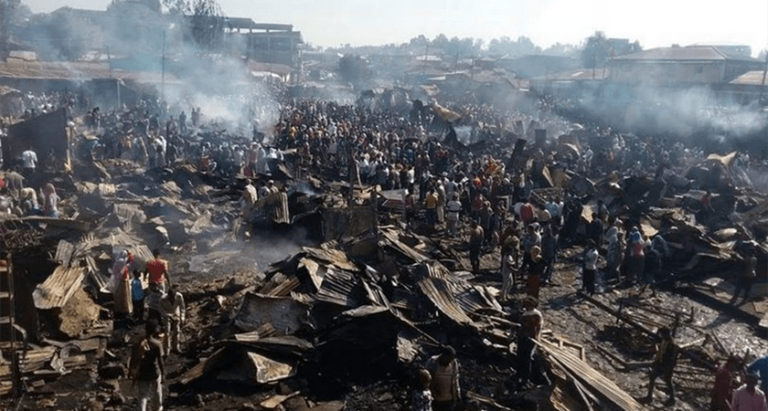
From the outset, Ethiopia’s crisis has often been reduced to overly simplistic binaries: government versus rebels, stability versus chaos, sovereignty versus intervention. Such framing ignores the layered realities on the ground—ethnic tensions rooted in decades of marginalization, contested political reforms, regional power struggles, and the devastating humanitarian toll on civilians.
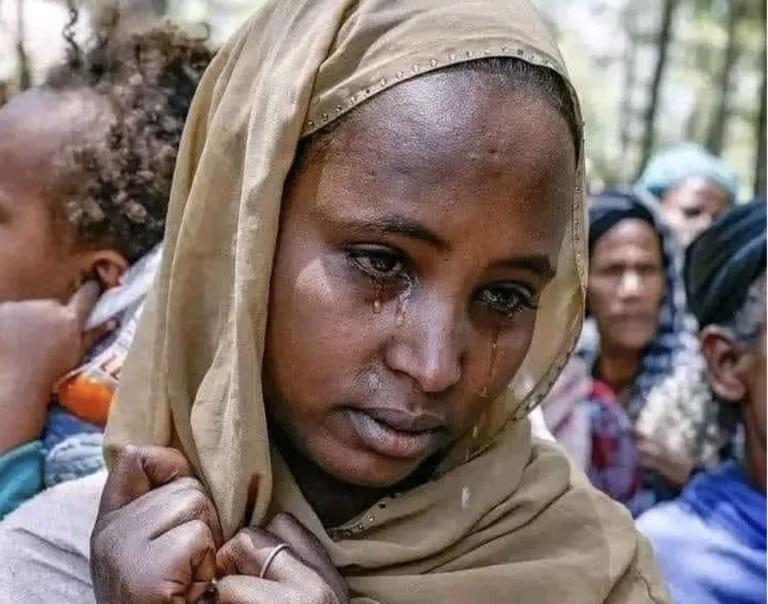
By privileging certain narratives over others, international actors risk legitimizing abuses while delegitimizing genuine grievances. Civilian suffering becomes a secondary concern, mentioned selectively depending on who controls a given territory or aligns with particular geopolitical interests.
Conflict does not become clearer by simplifying it. It becomes more dangerous.
Selective Outrage and Diplomatic Inconsistency
One of the most troubling aspects of the international response has been selective outrage. Human rights violations are condemned loudly in some instances and met with silence—or euphemisms—in others. This inconsistency erodes the credibility of international institutions and fuels resentment among Ethiopians who see diplomacy as biased rather than principled.
Sanctions, statements, and diplomatic pressure appear unevenly applied. Meanwhile, calls for dialogue often lack enforcement mechanisms or are disconnected from realities on the ground. Peace cannot be negotiated honestly when the suffering of civilians is filtered through political calculations.
Silencing Local Voices
Another consequence of misframing is the marginalization of Ethiopian voices—journalists, civil society actors, humanitarian workers, and community leaders—who understand the crisis from lived experience. Instead of amplifying these perspectives, international discourse often centers external analysts and policymakers far removed from the daily realities of violence, displacement, and fear.
When local voices are ignored, policy solutions become abstract and ineffective. Sustainable peace cannot be imposed through diplomatic language crafted in distant capitals. It must be built with those who bear the consequences of failure.
Humanitarian Crisis as a Secondary Issue
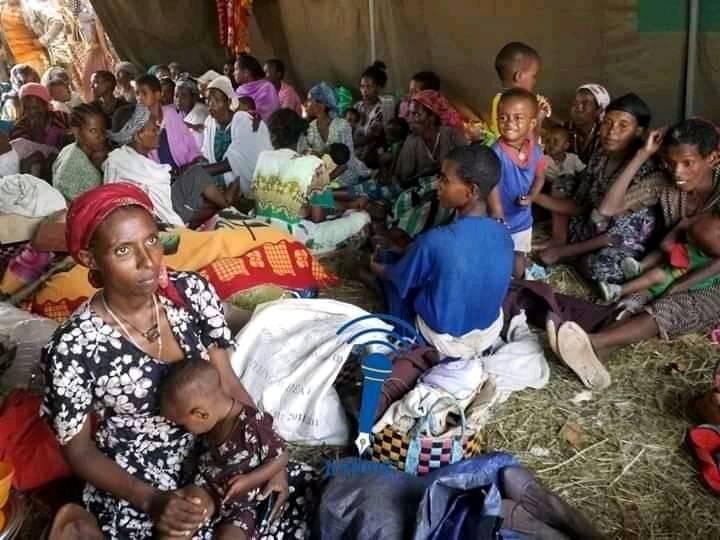
Perhaps the most devastating outcome of dishonest framing is the normalization of humanitarian suffering. Millions of Ethiopians face displacement, food insecurity, and lack of access to basic services. Yet humanitarian access is frequently discussed as a bargaining chip rather than a moral imperative.
Diplomacy that treats aid as leverage rather than as a lifeline undermines international humanitarian principles. Civilians should never be collateral in political negotiations.
What Honest Diplomacy Requires
Honest diplomacy does not mean choosing sides—it means choosing truth. It requires acknowledging abuses wherever they occur, demanding accountability without exception, and resisting the urge to prioritize short-term stability over long-term justice.
It also requires humility: recognizing that Ethiopia’s crisis cannot be resolved through slogans or external pressure alone. Diplomatic engagement must be consistent, transparent, and centered on human rights, not geopolitical alignment.
A Moment of Choice
Ethiopia remains at a critical juncture. The way the international community frames this crisis will influence not only the country’s future but also the credibility of global commitments to peace and human rights.
Misframing offers comfort but delivers failure. Honest diplomacy is more difficult—but it is the only path that offers hope.
If the world truly wants peace in Ethiopia, it must first be willing to tell the whole story.